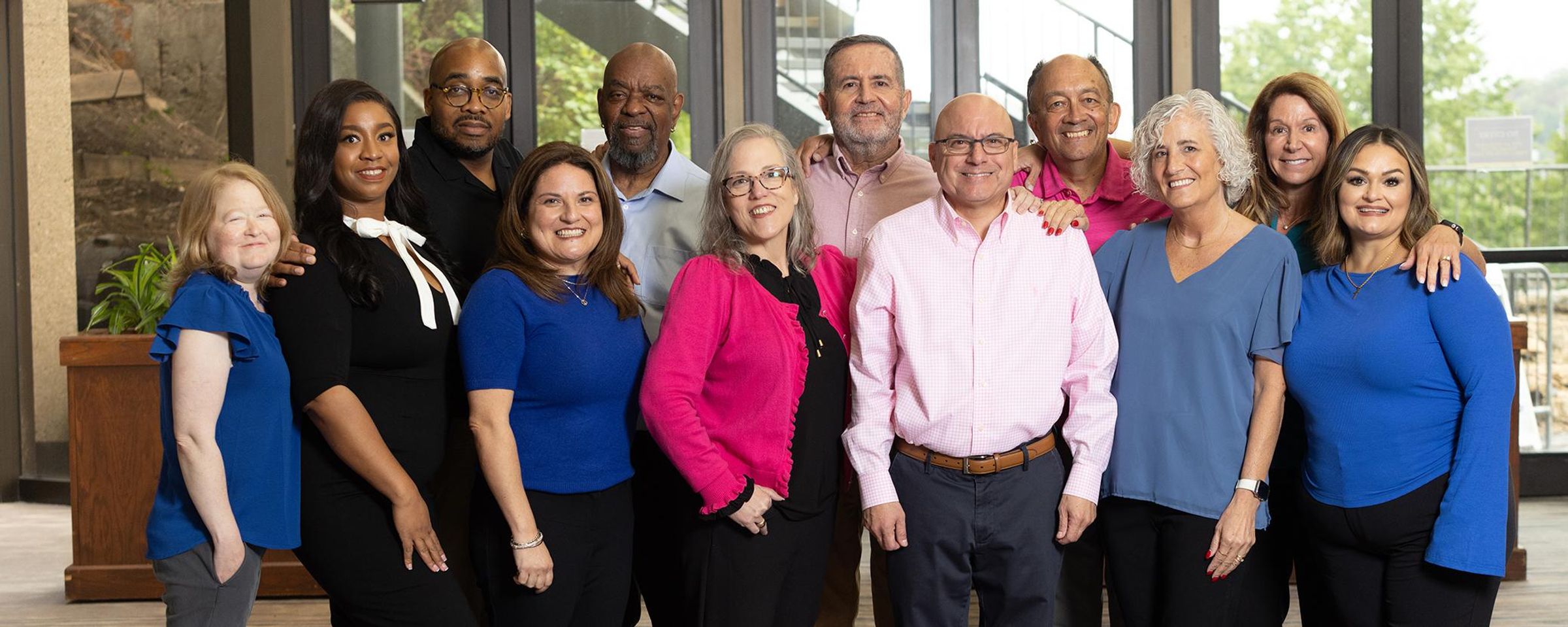
Kidney Transplant Connectors (KTC) Program donors and recipients
Kidney Transplant Connectors (KTC) Program donors and recipients
Transplant
Building on a decades-long legacy in transplantation, Sanofi is dedicated to redefining outcomes for patients at every stage of their journey. We partner with patient communities, clinicians and advocacy groups to advance science, expand access and champion holistic care. Today, our commitment extends from solid organ transplantation to addressing complex conditions associated with bone marrow/stem cell transplantation, like chronic graft-versus-host disease (cGVHD). Through innovation and real-world applications, our mission is to protect the promise of transplant.
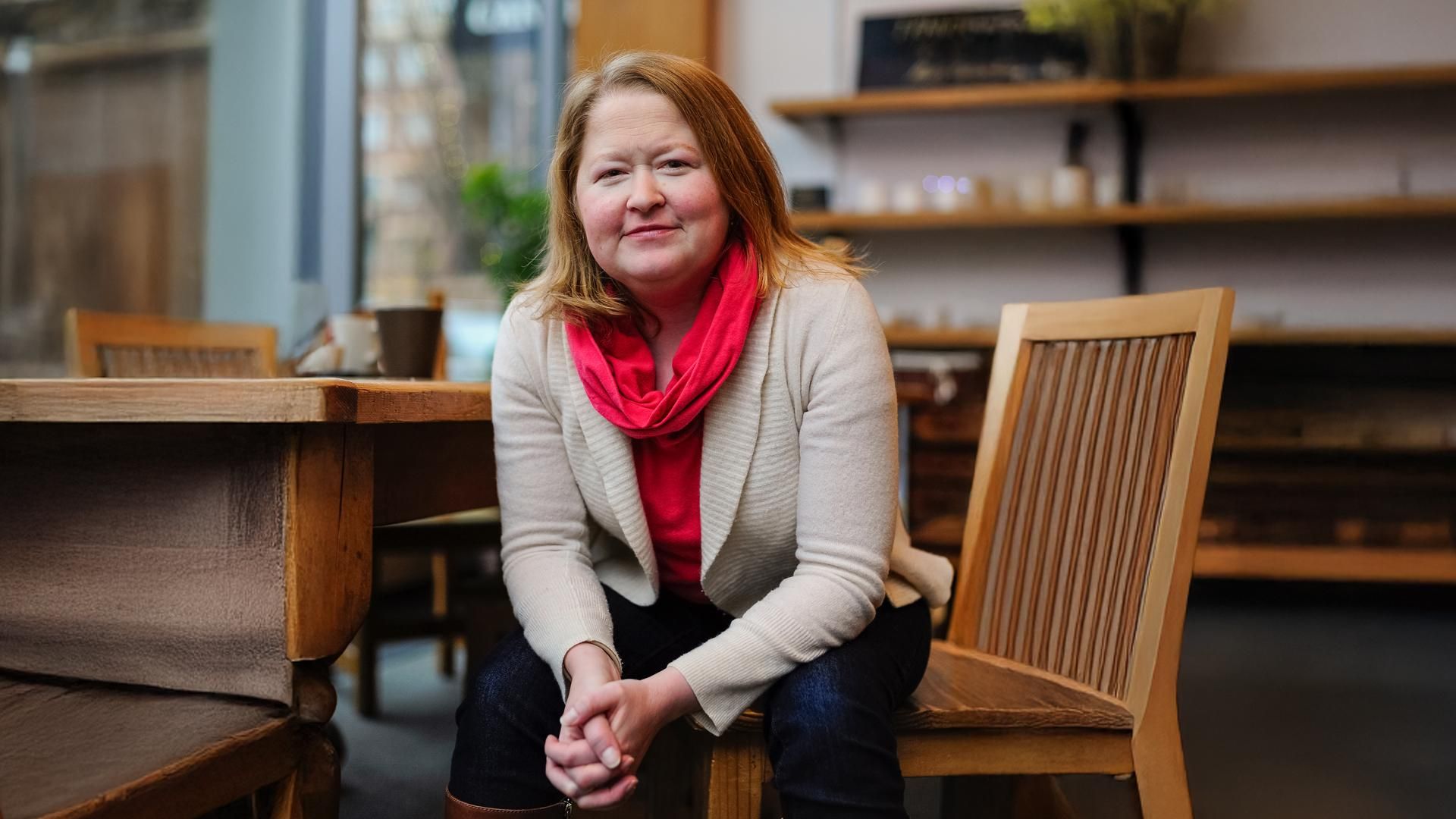
Aimee, Kidney Transplant Recipient
Did You Know?
Kidney Transplantation:
94,000+
people on the national transplant waiting list need a kidney. 1
3-5
years average wait time for a deceased donor kidney. Black and Hispanic patients may wait even longer. 2-3
13
people die each day waiting for a kidney. 4
Chronic Graft-Versus-Host Disease:
~50%
of patients develop cGHVD after receiving an allogeneic (donor-derived) stem cell transplant.5
~10,000
people receive an allogeneic bone marrow/stem cell transplant each year in the U.S. and could be at risk for developing cGVHD.6,7,8
#1
cGVHD is the leading cause of late chronic illness and death after an allogeneic transplant.9
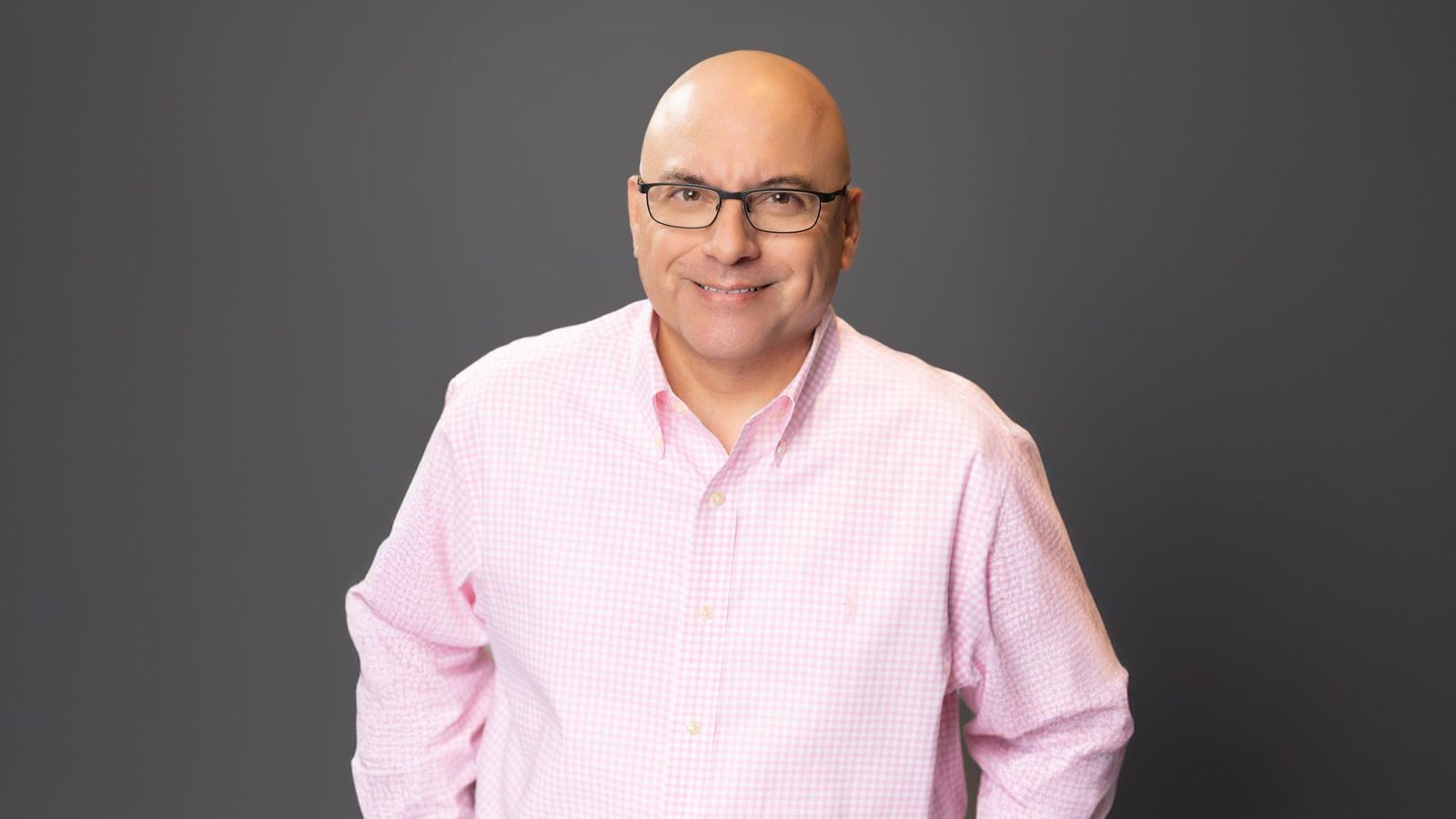
The Gift of Life Through Transplant
Of the 94,000+ patients in the U.S. on the kidney transplant waitlist, many are bound to dialysis machines for several hours a week and may wait years for a match. Kidney donation offers more than just a procedure—it’s a second chance at life.
Every 10 minutes, a new name is added to the waiting list, while 13 lives are lost every day waiting for a kidney.10 Every minute counts.
But there is hope. A kidney transplant from a deceased or living donor can transform someone’s life. Successful transplantation can free patients from the burden of dialysis, offering a path away from the machine and toward a future defined by possibility, not limitation.
At Sanofi, we’re committed to supporting this transformation. Discover how Sanofi partners with the transplant community and highlights these transplant heroes:

Understanding cGVHD and Its Impact
Chronic graft-versus-host disease (cGVHD) is a serious complication that can occur after a bone marrow or stem cell transplant. It happens when a donor’s new immune cells (the graft) mistake the recipient’s body (the host) as foreign and attacks healthy tissue.
The impact can be systemic and debilitating. cGVHD can turn recovery into an everyday struggle. For patients, this means navigating an unpredictable “new normal”—facing not only painful physical symptoms but also the heavy emotional toll of living with a complex, long-term condition.11 At Sanofi, we are dedicated to redefining survivorship—shifting the focus from simply surviving to living in authenticity.
Explore real cGVHD patient stories to learn more:
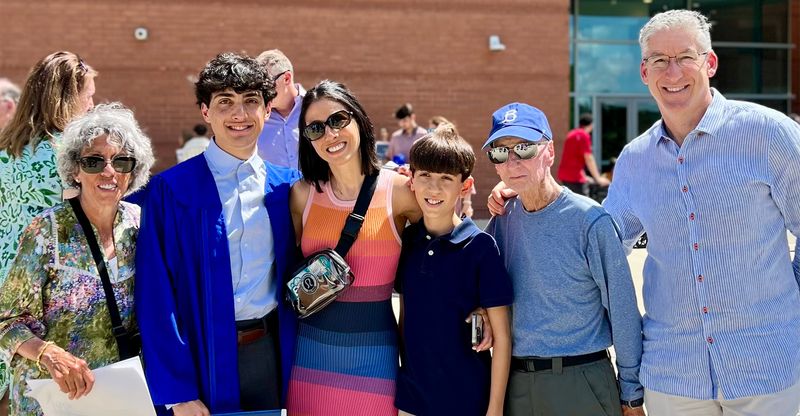
A 9/11 Survivor’s Triumph Over Leukemia & GVHD

Forging Purpose: One Mom’s Mission Through cGVHD
This listing is provided as a resource only and does not constitute an endorsement by Sanofi of any particular organization or its programming. Additional resources on this topic may be available and should be investigated. Sanofi does not review or control the content of non-Sanofi websites.
References:
- OPTN. National Data. Data & Calculators | HRSA
- National Kidney Foundation. The Kidney Transplant Waitlist. https://www.kidney.org/kidney-topics/kidney-transplant-waitlist
- American Kidney Fund. Addressing Disparities in Kidney Transplantation. https://www.kidneyfund.org/sites/default/files/media/documents/addressing-disparities-in-transplantation_1.pdf
- American Kidney Fund. Transplant Waiting List. https://www.kidneyfund.org/kidney-donation-and-transplant/transplant-waiting-list
- BMT Infonet. Late and Long-Term Side Effects. https://bmtinfonet.org/transplant-article/late-and-long-term-side-effects
- Bhatia S, Dai C, Landier W, et al. (2021). Trends in Late Mortality and Life Expectancy After Allogeneic Blood or Marrow Transplantation Over 4 Decades: A Blood or Marrow Transplant Survivor Study Report. JAMA Oncol 7(11):1626–1634; DOI:10.1001/jamaoncol.2021.3676
- Cleveland Clinic. Graft vs. Host Disease. https://my.clevelandclinic.org/health/diseases/10255-graft-vs-host-disease-an-overview-in-bone-marrow-transplant
- Zeiser, Robert, and Bruce R Blazar. “Pathophysiology of Chronic Graft-versus-Host Disease and Therapeutic Targets.” The New England Journal of Medicine vol. 377,26 (2017): 2565-2579. DOI:10.1056/NEJMra1703472
- DeFilipp Z, Alousi AM, Pidala JA, et al. (2021). Nonrelapse mortality among patients diagnosed with chronic GVHD: an updated analysis from the Chronic GVHD Consortium. Blood Adv 5(20):4278-4284; DOI:10.1182/bloodadvances.2021004941
- HRSA. How Organ Allocation Works. https://www.hrsa.gov/optn/patients/organ-transplants/how-organ-allocation-works
- Hansen, Jenna L et al. “Psychological and physical function in allogeneic hematopoietic cell transplant survivors with chronic graft-versus-host disease.” Journal of Cancer Survivorship: Research and Practice vol. 17,3 (2023): 646-656. DOI:10.1007/s11764-023-01354-9
MAT-US-2311478-v2.0-04/2026