Forging Purpose: One Mom’s Mission Through cGVHD
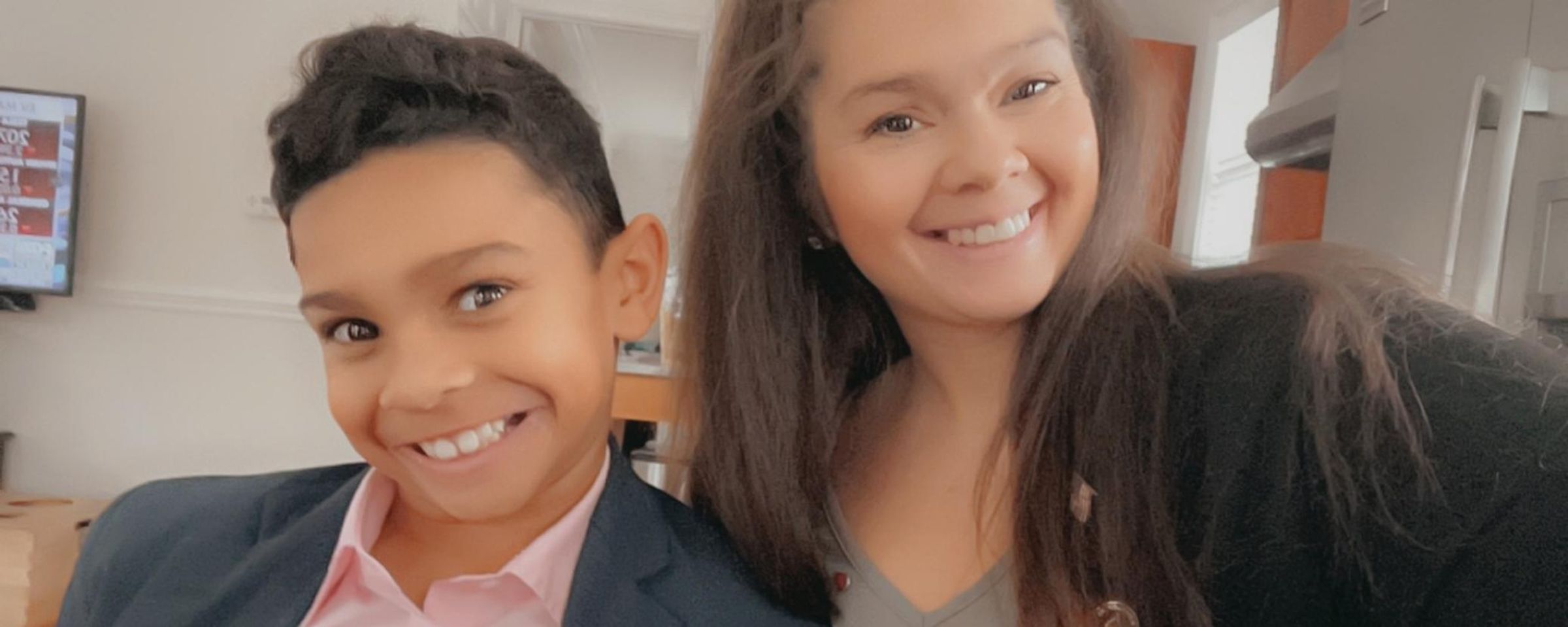
Amanda wears many hats—certified life coach, freelance writer, cancer survivor, patient advocate, and one of many living with chronic graft-versus-host disease (cGVHD). While all these roles have shaped her story, her most cherished is being a mom to her 12-year-old son Isaac. A 6th grader who loves football and basketball, he is her entire world, her biggest cheerleader and her greatest source of strength. With Isaac by her side, Amanda is inspired to advocate for her health and has made it her mission to guide others through the highs and lows of their health journeys.
Navigating the Unknown with cGVHD
In 2017, Amanda was diagnosed with leukemia and underwent a bone marrow transplant the following year. Although the transplant successfully treated her cancer, just a few months later, she was hit with a series of alarming and painful symptoms.
“My abdomen swelled like I was nine months pregnant. My skin became incredibly dry and hypersensitive to sunlight. Even the mildest spices, like a dash of ketchup, caused my tongue to swell, making even the simplest meal a challenge,” Amanda shared.
After undergoing several tests, Amanda discovered she had developed cGVHD, a serious, but common complication that can occur after a bone marrow or stem cell transplant. It occurs when donor cells (the graft) attack the recipient’s organs and tissues (the host). Thousands develop cGVHD each year, with symptoms that can affect multiple organs—skin rashes, mouth sensitivity, joint stiffness, gastrointestinal issues, and lung problems.
While some patients experience mild symptoms, Amanda’s symptoms were debilitating, impacting her ability to work full time. Although she had discussed the possibility of cGVHD with her doctor before the transplant, nothing prepared her for reality. As someone who had openly shared her cancer journey regularly on her blog, cGVHD left her feeling isolated and alone.
“Living with cGVHD is a rollercoaster—you never know when the ups and downs will come. A bad day could mean I’m in so much pain I can’t get out of bed without medication or even crawling to the bathroom because my body hurts so bad I can’t stand up. Canceling plans has become a regular routine, and I hate feeling like I’m letting people down,” Amanda revealed.
Over time, Amanda has learned to anticipate her body’s needs. “If I spend hours walking at a theme park, I know the next two days I need to do nothing,” she explains. Yet, the unpredictability remains challenging.
The physical pain is compounded by the mental toll—the guilt of canceling plans or feeling like a burden despite constant reassurance from loved ones. Most painful is the time lost with her son. “The hardest days are when my body won’t let me do what matters most—spending time with Isaac. We love being active together, but when cGVHD symptoms take over, I must rest.”
A Turning Point, Finding Her Voice and Community
Determined to be present for her son, Amanda began researching by reaching out to doctors and professors, learning about everything from medical billing laws to managing cGVHD through exercise and nutrition.
She reached an important realization: “A doctor can tell you what cancer you have, but not what it's going to do to your mental health. Mental health is critically important for your overall well-being.”
Amanda joined online support groups and connected with others in the cGVHD community. While family has always been supportive, talking with people who understood her experience was a game-changer and a turning point for her mental health.
Now Amanda gives back, regularly meeting with patients one-on-one, offering support on accessing resources and coping with chronic illness. She hopes to inspire other cGVHD patients to take control of their own stories.
“With everything I’ve been through, I truly feel like this is my purpose and I’ve found my voice. If sharing my story helps even one person feel less alone, it’s all worth it.”
A Future of Purpose and Hope
Today, Amanda is turning her pain into purpose. She dedicates her time to working in patient advocacy and being a devoted mother to Isaac, while also writing an autobiography about resilience in the face of medical challenges, including cancer and cGVHD.
Looking ahead to 2026, Amanda has ambitious plans: creating a patient advocate registry—a database where newly diagnosed patients can connect with advocates who understand their journey. She also hopes to meet her stem cell donor in Germany, a reunion years in the making.
Amanda’s advice for others living with cGVHD: “You are the author of your own story, and you need to be your own advocate. Listen to your body and speak openly to your doctor about what you are experiencing. And remember, you’re not alone—there is a cGVHD community standing beside you, ready to support and empower you along your journey.”
Amanda is a real patient whose story reflects her real-life experience with chronic graft-versus-host disease. However, individual experiences may vary. The health information contained herein is provided for general educational purposes only. Your healthcare professional is the best source of information regarding your health. Please consult your healthcare professional if you have any questions about your health or treatment.