Voices That Carry: Lessons from the T1D Community

Sanofi does not provide medical advice, diagnosis, or treatment – information is provided for educational purposes only. Your doctor is the best source of health information. Talk to your doctor if you have any questions about your health or treatment.
Today, approximately 2 million people are living with type 1 diabetes (T1D) across the United States, with a staggering 64,000 individuals newly diagnosed each year. Behind each of these statistics is a unique person with a unique story navigating life with this chronic autoimmune disease.
Community is a foundational part of what Sanofi does and why we do it. That’s why we were energized to bring Sanofi Patient Ambassadors from around the country together in Kansas City, Missouri, for a summit focused on their experiences after being infused with TZIELD® (teplizumab-mzwv) injection 2mg/2mL – a prescription medicine used to delay the onset of Stage 3 type 1 diabetes (T1D) in adults and children 1 year of age and older who have Stage 2 T1D. It is not known if TZIELD is safe and effective in children under 1 year of age who have Stage 2 T1D. There is limited evidence of TZIELD being safe and effective in people 45 years of age and older with Stage 2 T1D. TZIELD is not effective as a disease modifying therapy in non-autoimmune dysglycemic conditions. These are conditions when your blood sugar goes too high and is not caused by your immune system. Do not take TZIELD if you have a weakened immune system (immunocompromised) or have an active viral infection such as EBV or CMV infection.
TZIELD may cause serious side effects including viral reactivation of Epstein-Barr virus (EBV) and cytomegalovirus (CMV) which are common and may stay inactive in your body after an initial infection. Viral reactivation can occur during treatment and for up to 2 months after your last dose and can be potentially life-threatening, especially in people with a weakened immune system, including if you have Down syndrome. TZIELD may also cause other serious side effects including cytokine release syndrome, serious infections, a decrease in your white blood cell counts which can affect your body's ability to fight infections, and allergic reactions. Tell your doctor right away if you develop fever swollen glands or lymph nodes, tiredness, muscle and joint pain, severe stomach pain, diarrhea, nausea, with or without vomiting, redness, warmth or swelling of the skin, swelling of the face, lips, tongue or throat, headache, cough, shortness of breath or trouble breathing, a serious infection or one that does not go away or have recently received or are planning any vaccines, as TZIELD may affect how well they work. The most common side effects of TZIELD include decrease in white blood cell counts, vomiting, rash, diarrhea, increase in liver enzyme levels and headache. These are not all the possible side effects with TZIELD. Talk to your doctor for more information. Keep reading for Important Safety Information.
On the ground at the Summit, Dr. Justin Gregory, Field Medical Director at Sanofi, sat down with Sanofi Patient Ambassadors Caroline Harrison, John Boyce, and William Troutman to learn about their T1D stories and hear from them, in their own words, why having the opportunity to connect with other people who live with T1D and have taken TZIELD matters. Read their in-depth conversation below.
Justin: Thanks so much for joining me today. It’s not often that we have so many patients in the same room together, so I’m excited to dive right in. Just to get started, can you tell me about your T1D diagnosis experience?
Caroline Harrison: Of course; like many people, my early-stage T1D diagnosis came as a shock. By chance, I told my supervisor, who’s a healthcare provider, that my father lives with T1D, and she explained that having a family member with the disease can increase my risk by up to 15x. That conversation encouraged me to take action, and I subsequently discovered that I was at risk after getting screened and testing positive for multiple T1D autoantibodies. After progressing from Stage 1 to Stage 2 and learning that I was an eligible candidate, I talked to my doctor and together, decided to begin treatment with TZIELD.
John Boyce: My path to diagnosis was quite different to Caroline’s. I was initially diagnosed with type 2 diabetes, but despite my best efforts to regulate my diet and exercise, my A1C was still elevated. I decided to get a second opinion, who recommended I get screened for T1D. After getting my results, and taking a few additional blood tests, I was ultimately diagnosed with Stage 2 T1D. At the time, my wife and I were starting our family, and I was swamped with work. It wasn't an ideal time for me to think about starting insulin if my T1D advanced to Stage 3; Considering TZIELD meant I had a potential chance to delay the onset of insulin-dependent T1D.
William Troutman: My mom was doing some research after my sister’s Stage 3 T1D diagnosis and found out about screening that way. After receiving my screening and other blood test results, I spoke with my doctor who diagnosed me with Stage 1 T1D. Knowing how many decisions my sister has to make on a daily basis to manage her insulin-dependent Stage 3 T1D, I considered the opportunity to potentially delay it once I progressed to Stage 2.
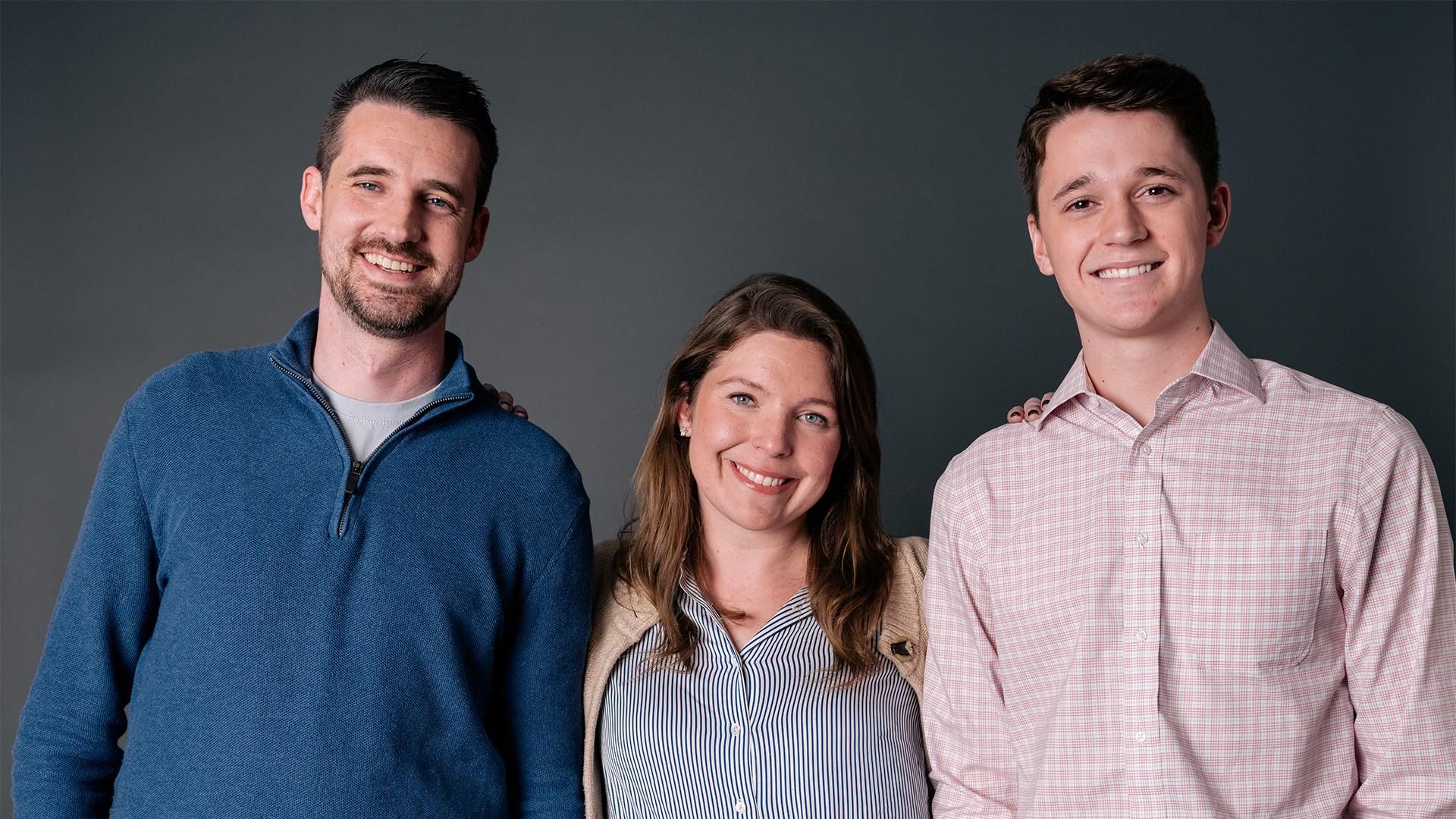
Sanofi Patient Ambassadors; from left to right John Boyce, Caroline Harrison, and William Troutman
Justin: What stands out to me is how different your journeys have been. Can you tell me why sharing your experience with TZIELD matters to you and what you want others to know?
Caroline Harrison: Before learning about TZIELD, I felt this incredible sense of dread that Stage 3 would catch me by surprise, and I would not feel prepared for it. After I learned about TZIELD, it was great to know that there was an option to potentially delay Stage 3 – giving me more time to prepare for daily insulin management. Sharing my experience feels like a meaningful way to help others who may be navigating a Stage 2 T1D diagnosis understand and weigh their options.
John Boyce: I have used my time before Stage 3 T1D to thoroughly understand the disease and work with my healthcare team to plan for the road ahead – something I wouldn’t have had without early action. More than anything, my hope is that by speaking openly about my story, others will feel empowered to advocate for themselves and talk to their doctors about the options that may be right for them.
William Troutman: My early-stage T1D diagnosis compared to my sister’s Stage 3 T1D diagnosis in an emergency scenario was day and night. I want everyone to know that knowledge can be a critical first step toward informed action.
Justin: All great points. Last question: We’re all gathered here in Kansas City to share insights and connect as a patient community. What do moments like these mean for you?
Caroline Harrison: When I was first diagnosed, connecting with the community helped me come to terms with my diagnosis. T1D is a lifelong journey, and continuing to meet with the people who are part of this incredible community is a meaningful source of support.
John Boyce: Shared experience is strength. I’ve been thrilled to listen to, and learn from, so many inspiring people who have walked in my shoes and understand what I’m going through.
William Troutman: Learning about TZIELD has given me the opportunity to connect with so many other people in the T1D community who were diagnosed with Stage 2 T1D. Coming together reminds me that there are other people around my age who have had similar experiences, and it helps me feel less alone in my own journey.
What is TZIELD?
TZIELD is a prescription medicine used to delay the onset of Stage 3 type 1 diabetes (T1D) in adults and children 1 year of age and older who have Stage 2 T1D.
It is not known if TZIELD is safe and effective in children under 1 year of age who have Stage 2 T1D.
There is limited evidence of TZIELD being safe and effective in people 45 years of age and older with Stage 2 T1D.
TZIELD is not effective as a disease modifying therapy in non-autoimmune dysglycemic conditions. These are conditions when your blood sugar goes too high and is not caused by your immune system.
Do not take TZIELD if you have a weakened immune system (immunocompromised) or have an active viral infection such as EBV or CMV infection.
IMPORTANT SAFETY INFORMATION
What is the most important information I should know about TZIELD?
TZIELD may cause serious side effects, including:
- Viral Reactivation. Epstein-Barr virus (EBV) and cytomegalovirus (CMV) are common viruses that may stay inactive in your body after an initial infection. TZIELD may cause these viruses to become active again which, especially in people with a weakened immune system, can become serious and potentially life-threatening. These infections can happen during treatment with TZIELD and for up to 2 months after your last dose. Your healthcare provider will test you for active EBV and CMV infections before treatment with TZIELD. Contact your healthcare provider right away if you develop symptoms of an infection during or after treatment with TZIELD (such as fever, swollen glands, or fatigue).
- Cytokine release syndrome (CRS). Signs and symptoms may start during the first 5 days of TZIELD treatment and could include fever, nausea (with or without vomiting), feeling tired (fatigue), headache, muscle and joint pain, or increased liver enzymes in your blood. Tell your healthcare provider right away if you develop any signs and symptoms of CRS during treatment with TZIELD.
- Serious Infections. Treatment with TZIELD may lower your immune system’s ability to fight infections, which may increase your risk of getting a serious infection. TZIELD is not recommended if you currently have a serious infection, or an infection that keeps coming back or does not go away (chronic infection), other than a minor skin infection. Contact your healthcare provider right away if you develop symptoms of an infection during or after treatment with TZIELD such as: fever or chills; redness, warmth, or swelling of the skin; feeling tired; cough or shortness of breath; severe stomach pain or diarrhea.
- Decrease in white blood cells. TZIELD may cause a decrease in a type of white blood cell called lymphocytes. A decrease in white blood cells is a serious, but common side effect that can affect your body’s ability to fight infections. A decrease in white blood cell counts can happen after your first dose. Your white blood cell counts will start to go back to normal after your fifth dose of TZIELD. Some people may develop longer and more severe decreases in lymphocytes.
Your healthcare provider will do blood tests to check for active infections, verify your liver function and your complete blood counts before you start treatment and during treatment with TZIELD. During and after your treatment with TZIELD, your healthcare provider will check for side effects, and treat you as needed. Your healthcare provider may temporarily or completely stop your treatment with TZIELD, if you develop liver problems, have a serious infection or viral reactivation, or if your blood counts stay too low.
What should I tell my healthcare provider before receiving TZIELD?
Before or after receiving TZIELD, tell your healthcare provider about all your medical conditions, including if you:
- have any of the conditions or symptoms listed in the section “What is the most important information I should know about TZIELD?”
- have a weakened immune system, including if you have Down syndrome.
- have a serious infection or an infection that does not go away or keeps coming back (chronic).
- have recently received or are scheduled to receive an immunization (vaccine). TZIELD may affect how well a vaccine works. Tell your healthcare provider that you are receiving treatment with TZIELD before receiving a vaccine. Your healthcare provider will tell you when you can safely receive any vaccine before and after the treatment with TZIELD.
- are pregnant or plan to become pregnant. TZIELD may harm your unborn baby. Do not receive TZIELD during pregnancy and at least 30 days before a planned pregnancy. If you become pregnant while taking TZIELD, you are encouraged to report your pregnancy to us at our Adverse Event reporting line at 1-800-633-1610 or visit https://ae.reporting.sanofi.
- are breastfeeding or plan to breastfeed. It is not known if TZIELD passes into your breast milk and if it can harm your baby. Talk to your healthcare provider about the best way to feed your baby if you receive TZIELD.
Tell your healthcare provider about all the medicines you take, including prescription and over-the-counter medicines, vitamins, and herbal supplements.
What are the possible side effects of TZIELD?
TZIELD may cause serious side effects including:
- See “What is the most important information I should know about TZIELD?”
- Allergic (hypersensitivity) reactions: Serious allergic reactions can happen while receiving TZIELD. Your healthcare provider will watch you closely while you are receiving TZIELD and after your infusion for signs of a reaction. Tell your healthcare provider right away if you have any of the following symptoms of an allergic reaction:
- fever, joint pain, swollen lymph nodes (serum sickness)
- urticaria
- vomiting
- swelling of the face, lips, tongue, or throat (angioedema)
- rash
- trouble breathing
The most common side effects of TZIELD include:
- decrease in white blood cell counts
- vomiting
- rash
- diarrhea
- increase in liver enzyme levels
- headache
These are not all of the possible side effects of TZIELD. For more information, ask your healthcare provider or pharmacist. Call your doctor for medical advice about side effects. You may report side effects to the FDA at 1-800-FDA-1088. You may also report side effects to us at 1-800-633-1610 or visit https://ae.reporting.sanofi.
Please click for full Prescribing Information, including Risk of SERIOUS SIDE EFFECTS and Medication Guide.