Answering Parents’ Top Questions About Respiratory Syncytial Virus
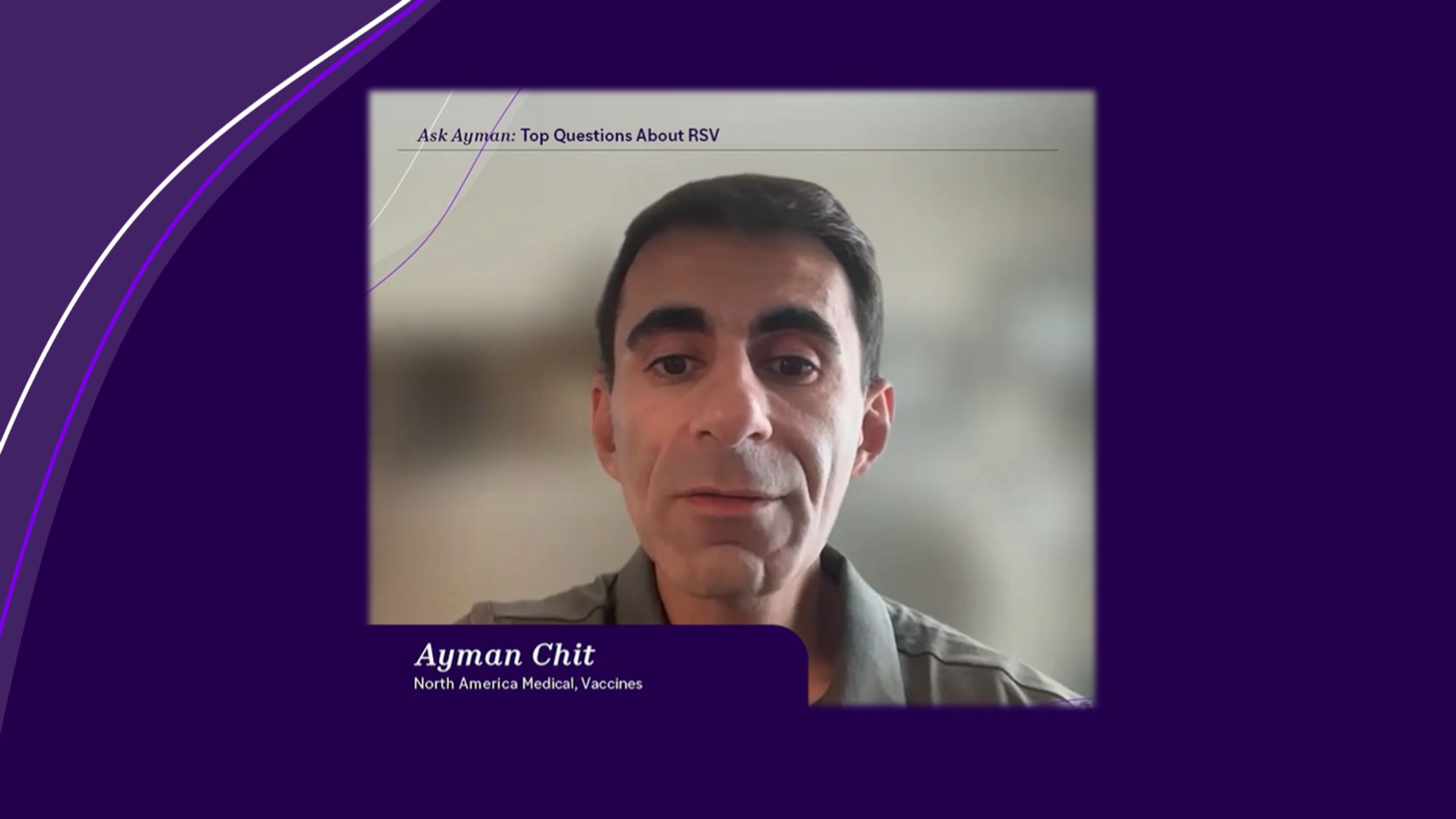
By Ayman Chit, Head of North America Medical, Vaccines
As a scientist, I’ve spent much of my career helping protect people from infectious disease through research. Today, one of the most important opportunities we have is helping families understand respiratory syncytial virus (RSV) and how they can help protect their babies during their first RSV season.
While RSV often causes mild, cold-like symptoms, it remains a leading cause of hospitalization among babies under 1 year of age. For some babies, RSV can become serious quickly, which is why awareness and prevention are so important.
As someone who has spent my career in scientific research, I've always been driven by a desire to better understand people's questions, concerns, and experiences to help improve health outcomes. As we head into RSV season and mark RSV Awareness Month this October, that curiosity led me to explore the questions parents are asking most often about RSV across Reddit, AI search, and online communities. My goal is simple: to help families feel informed, confident, and prepared to have productive conversations with their baby’s doctor about the protection plan against serious RSV lung infection that’s right for them.
What are RSV symptoms in infants?
For most babies, RSV symptoms can begin like a cold, with a cough, runny nose and eating or drinking less. Parents should contact a healthcare provider if their baby shows any of the following symptoms: Short, shallow, and abnormally fast breathing, a wheezing cough or difficulty breathing, unusual tiredness, and a blue tint on their lips or fingernails.
These can be warning signs that RSV may be becoming more serious and should be evaluated by a healthcare professional.
What age is RSV most dangerous?
One of the ages RSV can be most dangerous for is babies entering their first RSV season. All babies under one are at risk of developing serious RSV lung infection—in fact historically, babies have been 16x more likely to be hospitalized with RSV than the flu.
One misconception is that only premature babies or babies with underlying medical conditions are at risk. While those infants may face higher risks, serious RSV can affect any baby.
What are preventive options for RSV?
There is more than one way to help protect a baby from serious RSV lung infection, including preventive antibodies given directly to the baby and a maternal vaccination given to the mother during pregnancy. Parents should talk to their baby’s doctor to determine what protection is the right choice for their baby. These conversations can help families better understand their options and make informed decisions before or during RSV season.
The American Lung Association offers this helpful resource with questions parents can consider asking their healthcare provider when discussing RSV prevention.
What is a monoclonal antibody for RSV?
A monoclonal antibody, sometimes called a preventive antibody, provides antibodies directly to a baby to help protect against serious RSV lung infection. Unlike vaccines, which help the body build its own immune response, preventive antibodies provide immediate protection by supplying the antibodies a baby's developing immune system does not yet have.
You can think of preventive antibodies as ready-made protection against serious RSV. They can help provide protection for approximately five months, which is the typical length of an RSV season.
When is RSV season?
RSV season typically runs from fall through spring, in the majority of the US, but can vary by region and year over year. That variability is one reason it’s important to have conversations about RSV early. Families do not need to wait until RSV is circulating widely in their community to discuss prevention with their healthcare provider. In fact, having those conversations before a baby's first RSV season begins can help ensure families understand their options and are prepared for the months ahead.
How does RSV spread in daycare or at home?
RSV spreads easily through coughs, sneezes and contact with contaminated surfaces like toys or books—so it’s important for families with babies in shared settings like daycare to talk to their baby’s doctor about protection. Even if your baby is not attending daycare, exposure can happen through everyday routines like siblings bringing germs home from school or relatives visiting.
Because it is highly contagious, more than half of babies will get RSV before their first birthday.
My goal is simple: to help families feel informed, confident, and prepared to have productive conversations with their baby’s doctor about the RSV protection plan that’s right for them.

Ayman Chit
Head of North America Medical, Vaccines
Can healthy babies get severe RSV?
YES! Any baby can get severe RSV. While many parents associate severe RSV with premature babies or children with underlying health conditions, serious RSV lung infection is not limited to those groups. Although most RSV infections are mild, hospitalization can occur even among babies who were born full-term and healthy.
That's why it's important for every family with a baby entering their first RSV season to understand RSV and discuss prevention with their healthcare provider.
What hygiene steps prevent RSV?
Good hygiene remains an important way to help reduce the spread of RSV and other respiratory viruses. Families should wash their hands regularly, clean frequently touched surfaces, cover coughs and sneezes, and avoid close contact with people who are sick whenever possible.
These everyday habits can help reduce exposure, particularly during respiratory virus season.
At the same time, hygiene measures are only one part of the prevention picture. Families should also talk with their healthcare provider about available options to help protect their baby against serious RSV.
Can premature babies get RSV protection? Can full-term babies get RSV protection?
Yes. RSV protection is recommended for both premature and full-term babies. Regardless of if a baby is born before or during RSV season, the American Academy of Pediatrics (AAP) recommends RSV immunization for all infants under 8 months of age born during or entering their first RSV season, unless the infant has documented protection from vaccination of their pregnant parent.
In fact, over 75% of babies hospitalized with RSV were born full-term, showing us that no baby is too healthy or too strong to be left unprotected.
As RSV Awareness Month begins, it's an opportunity for parents to learn more about a virus that affects nearly all children by age 2 and remains a leading cause of hospitalization among infants. While most RSV infections are mild, serious RSV can be difficult to predict.
The good news is that families have more tools available than ever before to help protect their babies during their first RSV season. Parents don't need to have all the answers before speaking with their healthcare provider, but knowing the right questions to ask can help them make informed decisions about their baby's health.
If your baby is entering their first RSV season, now is the time to speak with your healthcare provider about RSV and the prevention options available. The more informed parents are, the more confident they can feel heading into the season ahead.
Explore More