
COVID-19

What is COVID-19?
COVID-19 is a contagious infectious disease caused by the SARS-CoV-2 virus, which attacks the respiratory system of those it infects. While some cases are mild or moderate, other cases may be more severe — leading to hospitalization or death.
Although the pandemic has ended, we are still learning how to manage and prevent COVID-19 and it remains a serious and ongoing public health concern. In the United States, the 2025-2026 season saw hundreds of thousands of hospitalizations and tens of thousands of deaths.1,2

Who is at Risk for COVID-19?
Because COVID-19 can spread through the air, especially in close contact or shared indoor spaces, nearly anyone can be at risk of COVID-19 infection. Additionally, nearly three-quarters of American adults have at least one risk factor for getting seriously ill from COVID-19, including:1
- People who are unvaccinated
- Adults aged 65 and older,
- People with comorbidities like diabetes, chronic lung disease and heart conditions.3
Because of their proximity to other people who may have COVID-19, healthcare workers are also at higher risk.1
Long COVID
Long COVID is a serious, chronic condition that can develop after a COVID-19 infection, with symptoms persisting for weeks, months, or even years. About 1 in 5 adults who have had COVID-19 may develop long COVID, according to a 2022 study, experiencing symptoms such as:
- Fatigue
- Brain fog
- Respiratory complications
- Heart issues
Long COVID can require comprehensive care and sometimes cause disability. Anyone who gets COVID-19 can experience Long COVID.4
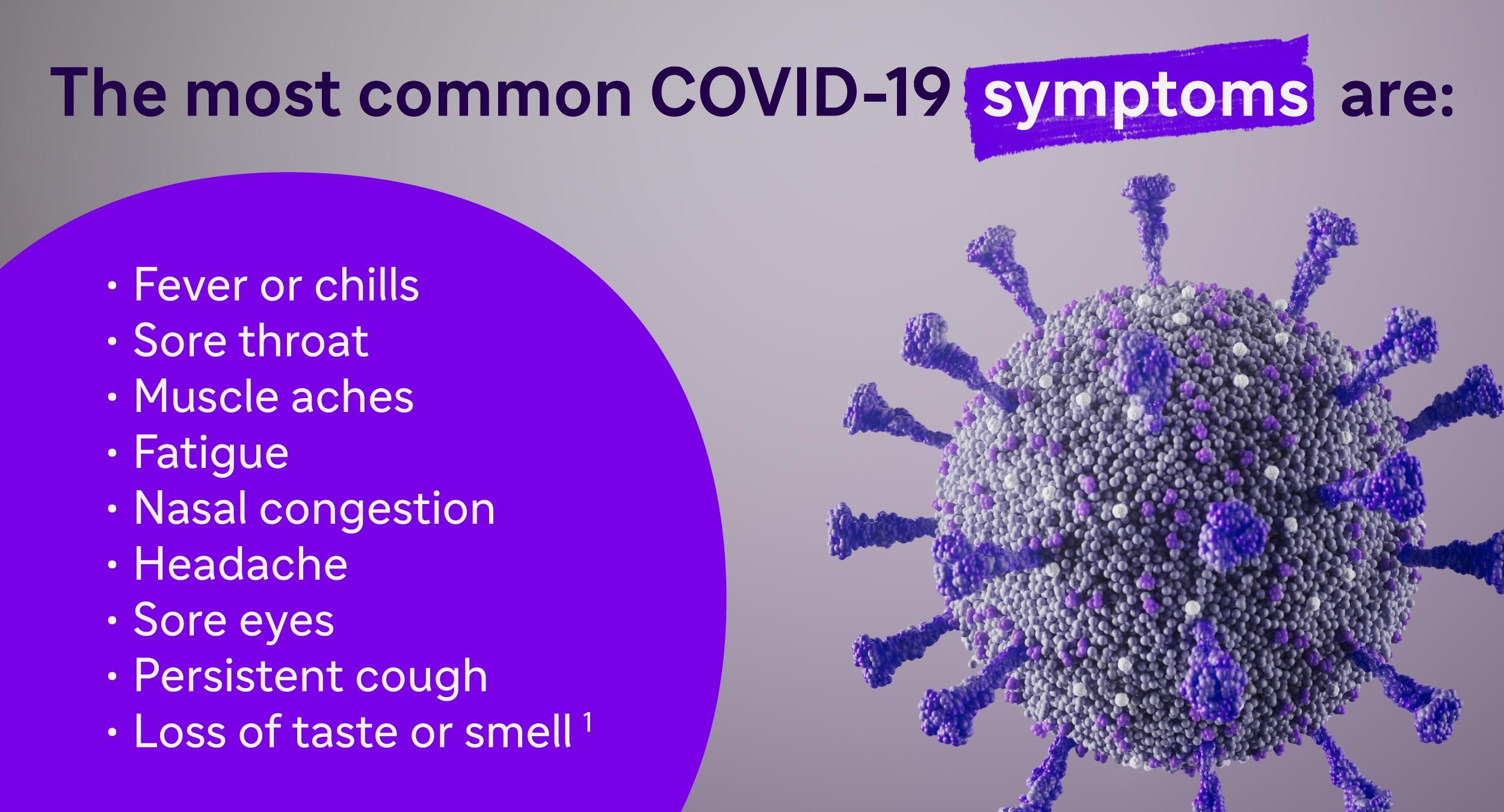
What are the Symptoms of COVID-19?

COVID-19 Prevention: Why Staying Up to Date on Your Vaccination Matters
SARS-CoV-2 virus, which causes COVID-19, continues to evolve, and immunity can fade over time. That’s why staying up to date on vaccination remains the best available protection against the severe outcomes of COVID-19, including hospitalization and death. Vaccination can also help reduce the severity of COVID-19 if you do get infected. Recognized vaccine guideline bodies recommend a COVID-19 vaccine every year for people who are at higher risk for complications, including those aged 65 years and older.5,6,7
Is COVID-19 still a threat?
COVID-19 continues to affect millions of people around the world each year. Through ongoing scientific research, vaccine innovation and public health partnerships, Sanofi is committed to helping reduce the severity of COVID-19 infections and supporting efforts that protect those that are at the highest risk of severe disease.
Quick Facts:
COVID-19 is caused by the SARS-CoV-2 virus and remains an active public health concern.1
Nearly 75% of American adults have at least one risk factor for severe illness.3
1 in 5 COVID-19 survivors develop Long COVID.4
Annual vaccination is recommended by recognized vaccine guidance bodies, especially for adults 65+.5,6,7
Staying up to date on your COVID-19 vaccine is the best protection against severe outcomes.5
Explore More

Evolving COVID-19 Insights Spark Sharper Questions
Learn more about how Dr. Katie Sharff, Medical Director for COVID-19 and Influenza Vaccines, North America, is shaping public health – from identifying early COVID-19 cases to advancing vaccine innovation at Sanofi.

Sanofi partners with USA Pickleball to launch “Serve Up Protection” campaign to help protect older adults from COVID-19
Pickleball partnership (Timing TBD, link expected in October or November 2026)
References:
- World Health Organization. (2025, November 27). Coronavirus disease (COVID-19). WHO. https://www.who.int/news-room/fact-sheets/detail/coronavirus-disease-(covid-19)
- Centers for Disease Control and Prevention. (2026, February 6). Preliminary estimates of COVID- 19 burden. U.S. Department of Health and Human Services. https://www.cdc.gov/covid/php/surveillance/burden-estimates.html
- Panagiotakopoulos, L. (2025, April 15). Use of 2025-2026 COVID-19 vaccines: Work group considerations [Presentation slides]. Advisory Committee on Immunization Practices (ACIP), Centers for Disease Control and Prevention. https://www.cdc.gov/acip/downloads/slides-2025-04-15-16/05-Panagiotakopoulos-COVID-508.pdf
- Centers for Disease Control and Prevention. (2026, March 9). Living with long COVID. U.S. Department of Health and Human Services. https://www.cdc.gov/long-covid/living-with/index.html
- Centers for Disease Control and Prevention. (2025, November 19). Staying Up to Date with COVID- 19 Vaccines. CDC. https://www.cdc.gov/covid/vaccines/stay-up-to-date.html
- American Academy of Pediatrics. (2026). Recommended child and adolescent immunization schedule for ages 18 years or younger, United States, 2026. American Academy of Pediatrics. https://www.aap.org/immunizationschedule
- American Academy of Family Physicians. (2026). Recommended adult immunization schedule for ages 19 years or older, United States, 2026. American Academy of Family Physicians. https://www.aafp.org/vaccine
MAT-US-2610950-v1.0-10/2026