How Type 1 Diabetes Risk Reshapes a Family
For families, a type 1 diabetes (T1D) diagnosis can change everything – not just for the person living with it, but for first-degree relatives who face up to a 15X greater likelihood of developing the disease themselves. It's a sobering reality: coming to terms with your own risk – or the risk to your other children – while also supporting your loved one through their diagnosis.
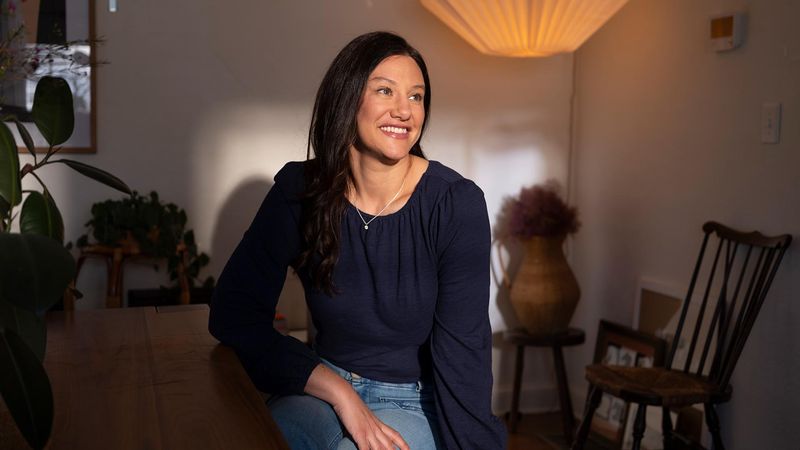
For mom Lindsey, this hit close to home in 2024 when her six-year-old daughter Kennedy started experiencing some concerning symptoms.
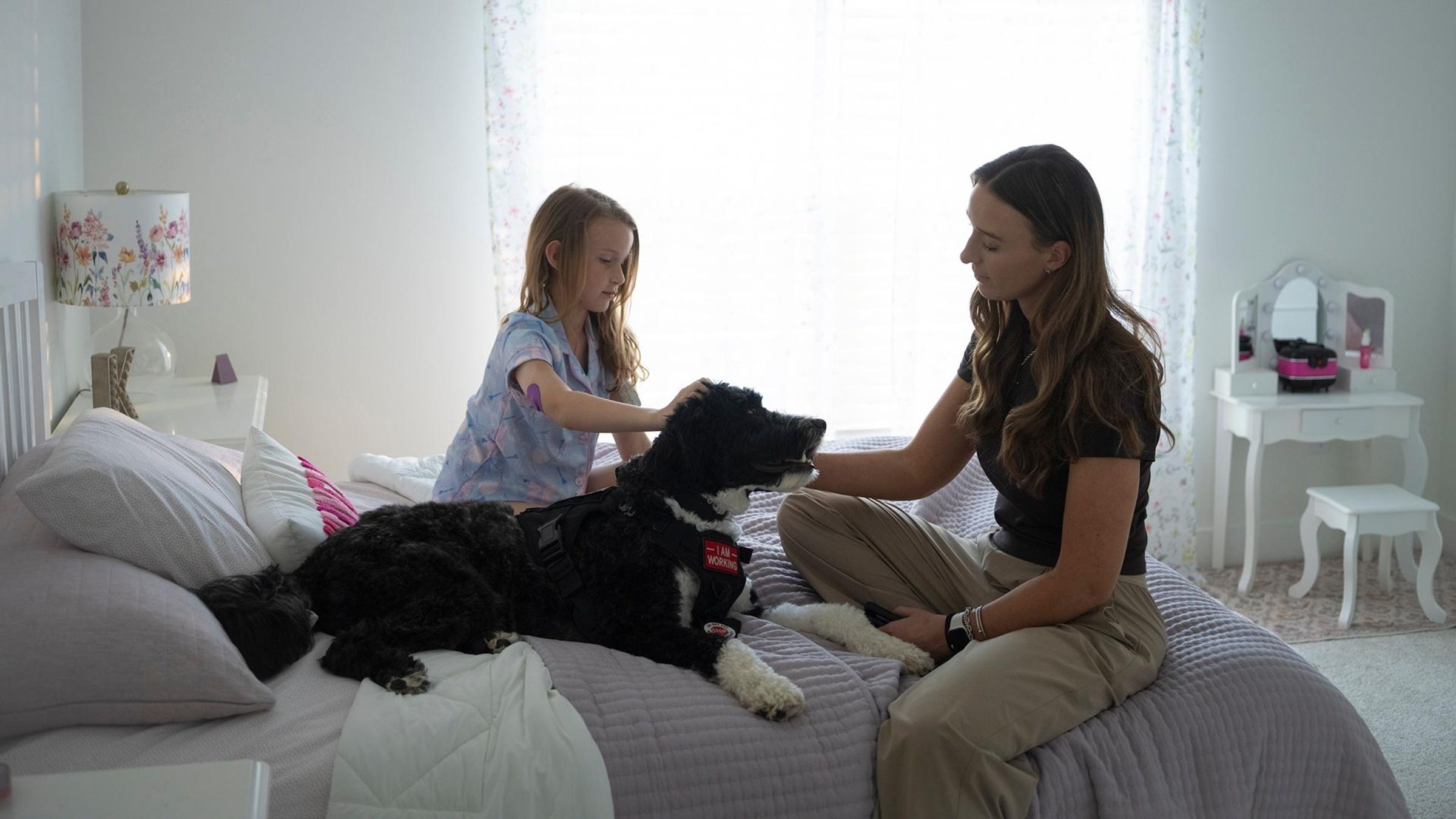
"All of a sudden, Kennedy was passing out during gymnastics classes," Lindsey explains. "I immediately went into mom mode and went to so many doctors trying to figure out what was going on. It wasn't until Kennedy started showing more classic signs of T1D – bedwetting, extreme thirst, and lethargy – that we finally got a diagnosis."
While Lindsey welcomed the clarity, the news still came as a complete shock to her and her entire family. She'd been navigating Kennedy's symptoms without knowing what to look for or what contributed to her risk. Now, she faced an entirely new set of questions.
"You're suddenly in this completely different world," Lindsey says. "And once you have one child diagnosed, you can't help but think: what about my other child?"
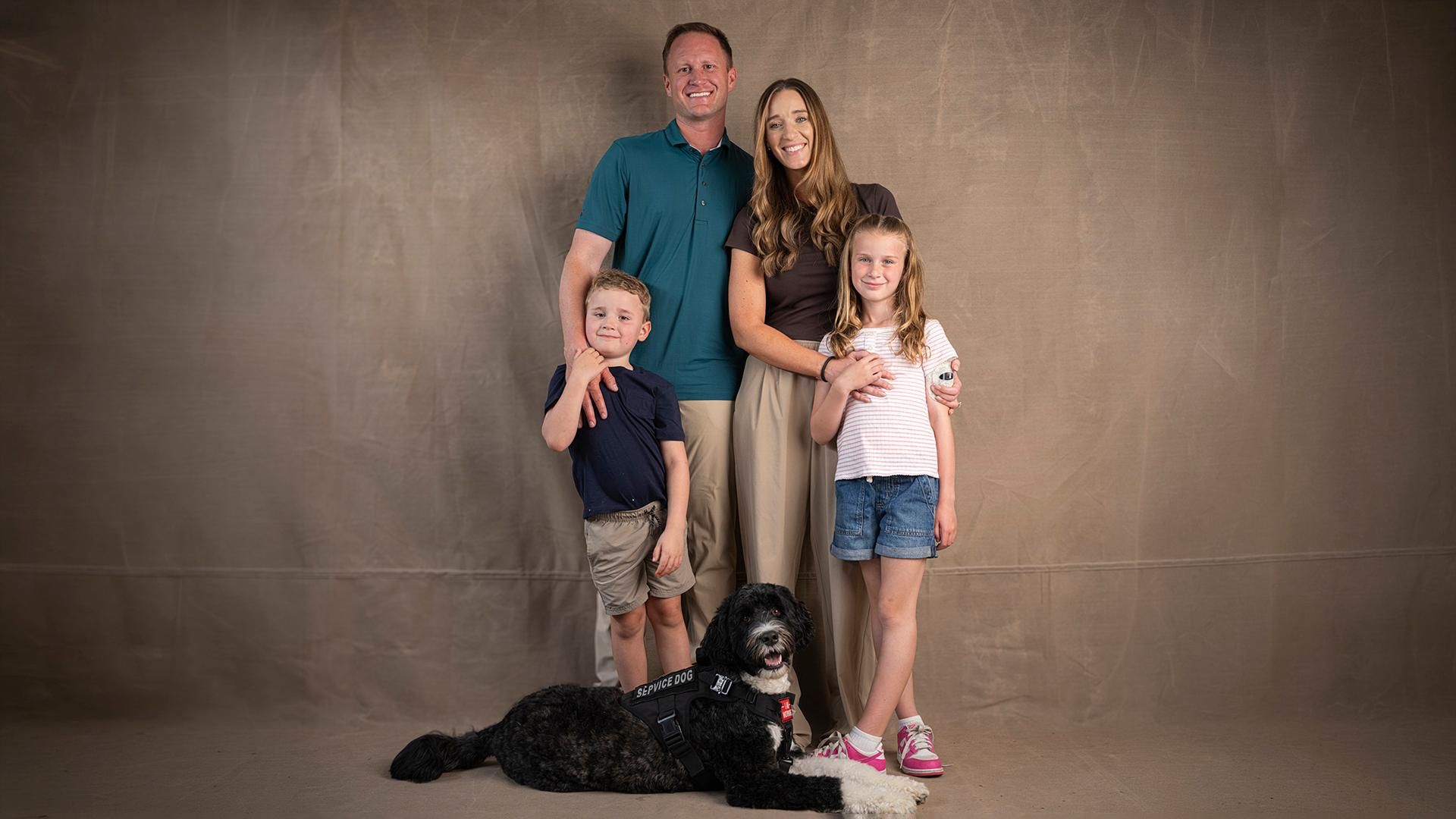
Lindsey, her husband Mickey, son Cameron, and daughter Kennedy (who has type 1 diabetes) demonstrate the importance of family in navigating a T1D diagnosis.
Uncovering T1D Family History Risk
Lindsey's concern is shared by many families. But even among those living with T1D, many remain unsure about what to do next when it comes to autoantibody screening – a test that can detect T1D risk years before symptoms appear. A new survey, "The Family Factor: A T1D Risk Awareness Survey," by Beyond Type 1 and commissioned by Sanofi, explores these awareness gaps among adults and caregivers of children with a first-degree family member with T1D.
The disconnect is striking: while 82% of respondents expressed concern about their or their child's risk of developing T1D, 46% said they are either not considering autoantibody screening or haven't yet decided whether they would in the next six months – citing both emotional and logistical barriers.
Emotional Barriers:
21%
19%
Logistical Barriers:
18%
17%
Lindsey understands the reticence many families feel – but believes strongly that it's important to move past the fear to action. "As parents, all you want to do is protect your child. It’s terrifying to think about what a positive result can mean for them. But while it might seem nerve-racking at first, knowledge is power. Autoantibody screening and monitoring can reduce the risk of being diagnosed in an emergency setting. So don't wait."
A Call to Action on Screening
Since Kennedy's diagnosis, Lindsey has turned her uncertainty into a call to action on early risk detection. For Lindsey, having Cameron screened didn't erase every worry. But it helped replace fear with information. "I went from 'what if?' to 'now I know.' That shift from uncertainty to understanding... that's what makes early detection so valuable." Now she uses her experience to educate other families about autoantibody screening and why early T1D detection matters.
Thankfully, according to the survey findings, education resonates. In fact, when they were informed of their heightened risk of developing T1D, 85% of respondents said they felt more likely to screen; 56% who are still deciding stated that a doctor's recommendation would be the strongest motivator to take that next step.
Sanofi strongly believes that disease awareness is an important foundation for action in T1D. Talk to your doctor to learn more about screening and T1D detection. That's why we're committed to supporting families like Lindsey's with the resources and information they need to take charge of their health.
Lindsey is a paid Sanofi spokesperson.
Explore more about T1D

Lindsey’s Story
The Family Factor Survey