Embedding Health Equity Into How We Work
Health equity starts with a clear belief: every person should have the opportunity to reach their optimal health without barriers. Yet cost, geography, language, trust and other barriers often affect whether people are diagnosed, treated and able to access care that helps to achieve this goal.
Sanofi cannot solve health inequities alone, but we believe that through collaboration and partnership in and with the patients and communities we can help address access barriers along a patient's journey to better health.
Through strategic programming and partnerships, like ACE Your Health and the Sanofi Community Alliance Network, as well as storytelling, this new platform and related assets illustrate how we use innovation and community insights to better understand unmet needs and work alongside communities to address real-world barriers to care.
The goal is simple: help ensure advances in science and medicine can benefit more of the people they are intended to serve.
At Sanofi we chase the miracles of science to improve people's lives. Health equity is part of how we make choices, design solutions, and define progress- from the lab to the last mile. When we apply a health equity lens from the start, we can better see the barriers people face. We can work with communities to innovate and build smarter solutions. And we can help more people benefit from the medicines, vaccines, and care they need to achieve their optimal health.

Tanisha M. Sullivan
Head External Engagement & Health Equity Strategy
Building health equity into every decision
Building health equity into our work starts by asking important questions early: Who are we reaching? Who may be left out? What makes care harder to access? What can data and real-world evidence tell us about where inequities exist?
Across Sanofi, teams use these insights to identify disparities and inform how programs and approaches are designed. Disaggregated data and real-world evidence can help identify disparities across research, commercialization and engagement efforts, while equity reviews can help teams identify and address bias before products, tools and approaches are developed.
Measurement also helps teams evaluate progress over time, making health equity part of ongoing decision-making rather than a one-time initiative.

Deb Glasser of Sanofi announcing NAACP collaboration with Karen Boykin-Towns from NAACP.
Designing innovation with people in mind
Data and AI can help identify unmet needs, support earlier diagnosis and improve access to treatment and care. To deliver those benefits more equitably, these tools need to reflect the people they are designed to serve.
At Sanofi, data and AI are applied with human oversight, validation and review to help identify bias and gaps in representation and access. Patient input, lived experience and scientific evidence can also inform the design of tools, products and approaches.
The newly launched Sanofi THRIVE Challenge exemplifies this approach. In partnership with MassChallenge, the program accelerates AI-powered health solutions designed with and for underserved rural communities. By supporting startups that combine strong AI capabilities with community-informed design, the initiative helps ensure innovation addresses real-world barriers to chronic disease care for the populations that need it most.
This work extends into research. Insights from broader patient populations can help shape study design and evidence generation, so research better reflects real-world populations and supports more informed decisions.
Working hand in hand with communities
Understanding barriers requires listening to the people who experience them.
Sanofi works with communities, local organizations and trusted partners to better understand real-world needs and translate those insights into action. A Million Conversations, for example, is a global, multi-year initiative focused on strengthening trust in healthcare, particularly within historically undersupported communities. Trusted Messengers works with community partners to deliver education, screenings and vaccinations to underserved populations.
Other efforts turn community insight into evidence and action. ACE Your Health, a national community survey of more than 22,000 participants, provides insight into trust gaps, access barriers and drivers of inequity. The Sanofi Community Alliance Network (SCAN) focuses on increasing equitable access to clinical trials through community engagement and more representative participation in clinical research.
Together, these efforts demonstrate what embedding health equity can look like in practice: listening to communities, identifying barriers earlier and designing approaches that better reflect the people they are intended to serve.
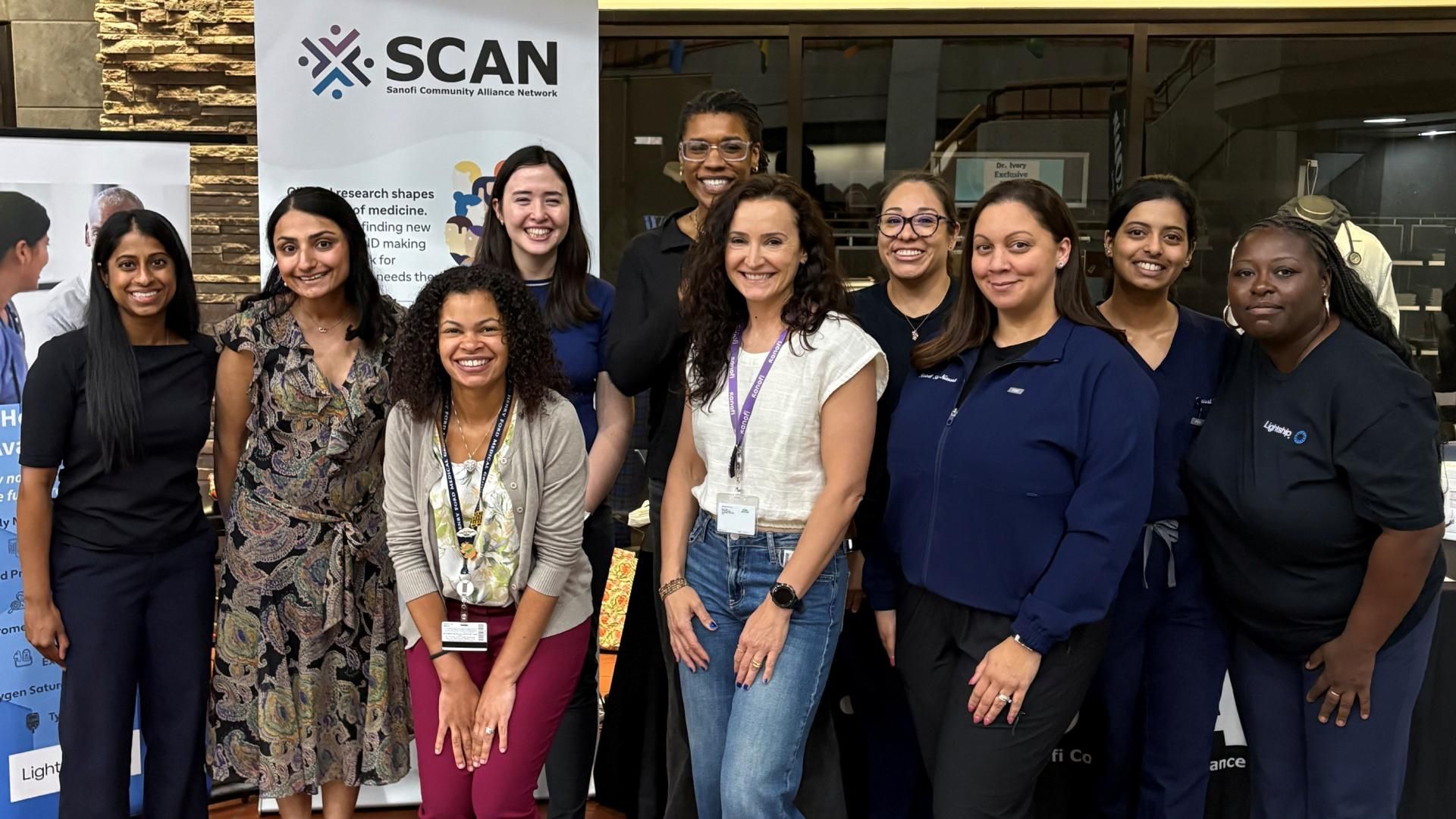
The Sanofi Community Alliance Network (SCAN) speaks directly with communities during the Detroit Asthma Fair.
Explore health equity at Sanofi
Health equity requires sustained action and collaboration across patients, communities, healthcare teams, advocates, policymakers and industry.
Our Health Equity and Diversity in Clinical Trials Platform brings together examples of how Sanofi teams and partners are putting that commitment into practice, from research and innovation to community partnerships and access to care.
Explore Sanofi’s health equity platform to see the work in action and learn how we are working with communities to help more people achieve their best health. Because With You, We Do more.
Explore More

Health Equity at Sanofi

Designing More Inclusive Clinical Trials
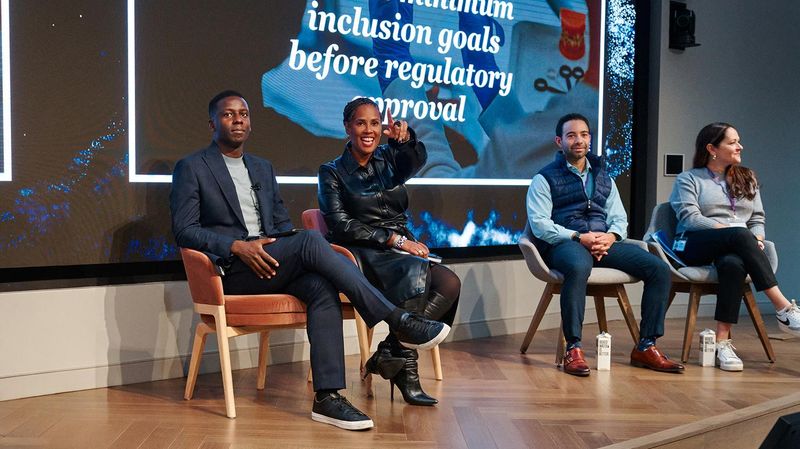
Building Trust Through Conversation